Source Hand Grip Strengthener for Fitness, Rehab, and Sports Training
Explore 30 hand grip strengthener options from verified Chinese manufacturers. Buyers can compare specifications like strength levels, materials, and certifications to find the right tool for fitness, rehabilitation, or sports training needs.
Key considerations
Products List



Comprehensive Sourcing Guide
Hand Grip Strengthener Sourcing Guide
Sourcing hand grip strengtheners requires a nuanced understanding of the diverse product landscape, which ranges from simple spring-loaded devices to complex digital models with adjustable resistance. Buyers must navigate a market characterized by significant variation in materials, resistance mechanisms, and intended use cases, from general fitness to clinical rehabilitation. The observed product data indicates a wide array of models, such as the BP-HG201, IR97028, and SP-SH7, each catering to different segments of the market. Understanding these distinctions is critical for aligning procurement with specific business needs, whether for retail distribution, corporate gifting, or specialized medical supply chains.
The procurement process is further complicated by the availability of customization options and varying minimum order quantities (MOQs). Suppliers often offer OEM services, allowing buyers to imprint logos or modify designs, which is particularly relevant for brands seeking to differentiate their offerings. However, these customizations can impact production timelines and cost structures. Buyers need to carefully evaluate the trade-offs between standard off-the-shelf products, which may offer lower MOQs and faster delivery, and customized solutions that provide brand exclusivity but require longer sample times and higher initial commitments.
Product Scope and Observed Listing Signals
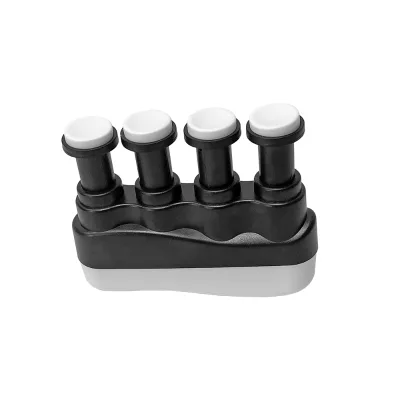
The current market for hand grip strengtheners encompasses a broad spectrum of designs, including traditional spring-based models, adjustable resistance units, and specialized grips like the "Hand Grip3" or "Hand Grip Strengthener-13." Observed listings reveal models with specific dimensions, such as the 13011018mm standard for one variant and the 1279325mm profile for another, indicating that physical size and ergonomics are key differentiators. Some products, like the IR97032, are marketed with unique aesthetic features, such as a piano-like appearance, suggesting that design and visual appeal play a role in consumer selection for certain retail channels.
Resistance levels vary significantly across the product range, with some models offering a fixed strength level of 3.2kg, while others provide a wide adjustable range from 10 to 80lbs. This variability necessitates careful selection based on the target demographic; for instance, rehabilitation products may require lower, more precise resistance settings, whereas fitness-oriented products might emphasize higher maximum loads. The observed weight of devices, ranging from 64g to 105g, also influences portability and user experience, with lighter models being preferred for travel or on-the-go use. Buyers should verify the specific resistance mechanism and range for each model to ensure it meets the intended application requirements.
Technical Specifications to Verify
When evaluating technical specifications, buyers must prioritize the material composition and durability of the grip. Observed data highlights the use of aluminum in some models, such as the SP-SH7, which suggests a focus on lightweight durability and corrosion resistance. However, other models may utilize different materials for the handles or springs, which can affect longevity and user comfort. It is essential to verify the material grade and finish, especially for products intended for frequent use or exposure to sweat, to prevent degradation or skin irritation. The standard of the spring, noted as a 4.5mm diameter in some listings, is a critical factor in determining the device's lifespan and resistance consistency.
Dimensions and packaging details are equally important for logistics and retail readiness. Products are supplied in various packaging formats, including OPP bags, cartons, and wooden cases, which impact shipping costs and product protection. For example, the SP-SH7 is packaged as one piece per OPP bag, while other models may come in bulk cartons. Buyers should confirm the exact dimensions and weight of the packaged product to calculate freight costs accurately and ensure compatibility with retail shelving or storage requirements. Additionally, verifying the folded or unfolded state of the product, as indicated by some listings, is crucial for understanding the product's portability and storage efficiency.
Compliance and Safety Documentation
Compliance with international standards is a non-negotiable aspect of sourcing hand grip strengtheners, particularly for markets with strict regulatory requirements. Observed certifications include CE and RoHS, which indicate conformity with European health, safety, and environmental protection standards. Some listings also mention ISO certification, suggesting a commitment to quality management systems. Buyers must verify the validity and scope of these certifications, ensuring they cover the specific models being procured. It is advisable to request copies of the certification documents and check their expiration dates to avoid compliance issues at customs or in the retail market.
Safety documentation should also include material safety data sheets (MSDS) and test reports, especially for products containing metals or plastics that come into direct contact with the skin. Buyers should inquire about the testing procedures used to validate the strength levels and durability of the springs. For models with adjustable resistance, verification of the mechanism's reliability is crucial to prevent accidental release or failure during use. Ensuring that all safety and compliance documentation is complete and up-to-date helps mitigate legal risks and enhances consumer trust in the product.
Cost Drivers and Commercial Terms
Cost structures for hand grip strengtheners are influenced by several factors, including material costs, manufacturing complexity, and customization requirements. The observed price range of $0.25 to $6.25 USD reflects the diversity in product quality and features, with basic spring-loaded models likely at the lower end and more complex or branded items at the higher end. Buyers should analyze the cost breakdown to understand the value proposition of each model, considering factors such as material quality, packaging, and included accessories. It is important to note that prices may vary based on order volume, so negotiating tiered pricing structures can lead to significant savings.
Commercial terms, including MOQs and sample times, also play a significant role in the procurement process. Observed MOQs range from 50 to 500 pieces, with some suppliers offering lower MOQs for standard models and higher MOQs for customized products. Sample times are typically 5-7 working days, which buyers should factor into their planning to ensure timely product launches. FOB ports such as Nantong and Shanghai are common, affecting shipping logistics and costs. Buyers should clarify all commercial terms, including payment methods, shipping responsibilities, and return policies, to avoid unexpected expenses or delays.
Supplier Qualification and Quality Control
Supplier qualification is a critical step in ensuring the reliability and consistency of hand grip strengthener supplies. Buyers should assess suppliers based on their production capacity, quality control processes, and track record in the industry. Verified certifications, such as CE, RoHS, and ISO, are strong indicators of a supplier's commitment to quality and compliance. Additionally, suppliers with experience in OEM services can provide valuable insights into customization options and production efficiency. It is advisable to conduct factory audits or request references from existing clients to verify the supplier's capabilities and reliability.
Quality control measures should be clearly defined and agreed upon before placing orders. This includes establishing acceptance criteria for product dimensions, resistance levels, and material quality. Buyers should request pre-shipment inspections or third-party quality assurance services to ensure that the delivered products meet the specified standards. Implementing a robust quality control process helps minimize the risk of defects and returns, protecting the buyer's brand reputation. Regular communication with the supplier regarding quality issues and continuous improvement initiatives is also essential for maintaining high standards over time.
Long-Term Procurement Checks
Long-term procurement success depends on establishing a sustainable relationship with suppliers and continuously monitoring market trends. Buyers should regularly review supplier performance metrics, such as on-time delivery rates, product quality consistency, and responsiveness to issues. Building a diversified supplier base can mitigate risks associated with single-source dependencies and provide flexibility in responding to market changes. Additionally, staying informed about emerging technologies and design trends in the hand grip strengthener market can help buyers identify new opportunities for product differentiation and innovation.
Continuous improvement in procurement processes is also vital for maintaining competitiveness. This includes optimizing order quantities to balance inventory costs with supply reliability, negotiating favorable terms based on volume commitments, and leveraging technology for better supply chain visibility. Buyers should also consider the environmental impact of their procurement decisions, such as choosing suppliers with sustainable practices or eco-friendly packaging options. By focusing on long-term strategic goals and fostering collaborative relationships with suppliers, buyers can ensure a resilient and efficient supply chain for hand grip strengtheners.
FAQs
What certifications do the hand grip strengtheners have?
The products carry CE and RoHS certifications, with some models also meeting ISO standards. These certifications ensure compliance with international safety and environmental requirements for the aluminum and steel components used in manufacturing.
Can I request a customized logo on the product?
Yes, customization is available including OEM and mould logo options for branding. Buyers can specify their design requirements, and the supplier will produce the items according to the agreed specifications and sample approval.
What is the minimum order quantity for these items?
The minimum order quantity varies by model, ranging from 50 to 100 pieces. Specific models like BP-HG200 require 50 pieces, while others such as BP-HG201 require 100 pieces as the baseline for production.
How long does it take to receive a sample?
Sample preparation typically takes 5 to 7 working days for delivery. This lead time applies to standard samples before bulk production begins, allowing buyers to verify quality and specifications like the 4.5mm spring diameter.
Which shipping ports are used for these products?
Shipments are dispatched from Nantong Port or Shanghai Port in China. These locations serve as the primary export hubs for the hand grip strengtheners originating from Zhejiang and other manufacturing regions in the country.
What materials are used to make the strengtheners?
The products are constructed using durable materials such as aluminum and steel springs. Specific models feature different weight capacities, with some weighing as little as 64 grams while others support up to 250 pounds of resistance.